Reverse Engineer Everything: the free alternatives the AI clone wave has produced so far
Over the last fortnight my X feed has been one long list of "Photoshop → PhotoCraft" posts. People are calling it "Reverse Engineer Everything", and there's real substance under the memes. AI coding tools have got good enough that small teams, and sometimes one person, are rebuilding software that used to cost hundreds or thousands of dollars a year and giving it away.
I've been building web software for 17 years, so I wanted to work out what's real, what's hype, and what's actually worth downloading. Here's the roundup.
Where "Reverse Engineer Everything" came from
The trend runs on REA, "Reverse Engineer Anything", built by @morluto. It's an MIT-licensed MCP server and CLI that connects coding agents like Claude Code, Codex, Cursor, Gemini CLI and Grok Build to proper reverse engineering tools: Ghidra, IDA, Hopper, JADX and so on.
A warning before you try it: pointing Codex or Claude Code at third-party binaries can break your AI provider's usage policies, and there are viral reports of people getting OpenAI accounts banned. Use it on software you own or have the right to analyse. With that said, run npx rea-agents setup and your agent can dig into a compiled binary, with no source code needed.
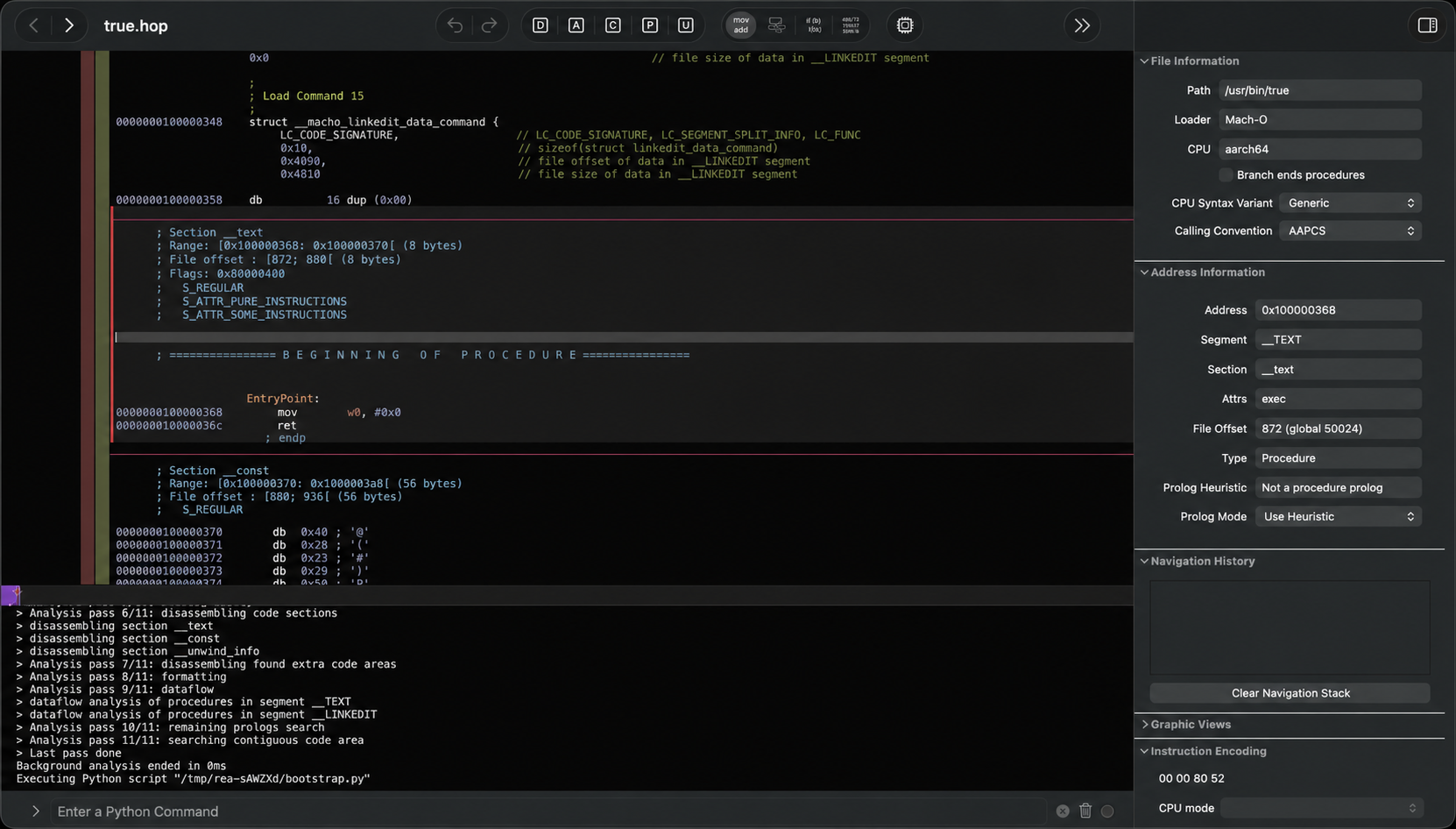
The repo was created back in April, then blew up around 7–12 October. @jinglian noted it went from 30k to 120k+ stars in three days. As of 18 Oct it sits at over 306,000 stars on the GitHub API.
The "Everything" name came from the crowd. On 5 Oct @ilkeryoldas replied with "Petition to rename it REE (Reverse Engineer Everything)". Then Matthew Berman picked up the pace: "Reverse Engineer Anything. Software is done." on 9 Oct (around 3.8M views), followed on 11 Oct by "Reverse engineer everything. Watch this 👇", which is what made the phrase stick.
Reverse engineer everything.
— Matthew Berman (@MatthewBerman) October 11, 2026
Watch this 👇
Then it went mainstream. REA is now a skill in Perplexity Computer, and /reverse-engineer is free until 31 October, capped at 10,000 credits per user:
REA (Reverse Engineer Anything) by @morluto is now a skill in Computer.
— Computer (@AskPerplexity) October 17, 2026
Ask Computer to reverse-engineer an app and it inspects how the app works without its source code, then builds a working version.
Running alongside REA is a second, separate wave: ArtCraft, a set of open-source "Crafting Apps" that rebuild Adobe and Microsoft-style tools in Rust. People lump the two together. They're not the same thing, and I'll come back to why that matters.
The list: open-source alternatives, grouped by what they stand in for
Star counts come from the GitHub API as of 18 Oct. Unless I say otherwise, the apps below are from ArtCraft (GitHub org storytold), led by Brandon Thomas. He said on Reddit that he built them with Claude Opus 5.5 (as reported by Ars Technica). All except FilmCraft also run in the browser via WebAssembly, and each one can be driven by AI agents over MCP.
Photoshop, Illustrator, Premiere Pro, Word, Excel, PowerPoint, Fusion, AutoCAD, Pro Tools, Figma and Acrobat are trademarks of their owners. These projects aren't affiliated with or endorsed by them.
Here's the post where Brandon kicked it off:
I've vibe coded replacements to 7 of Adobe's apps in Rust. They're open source (links below)
— Brandon Thomas (@echelon) October 4, 2026
Adobe suite: lots of stars, mostly alpha
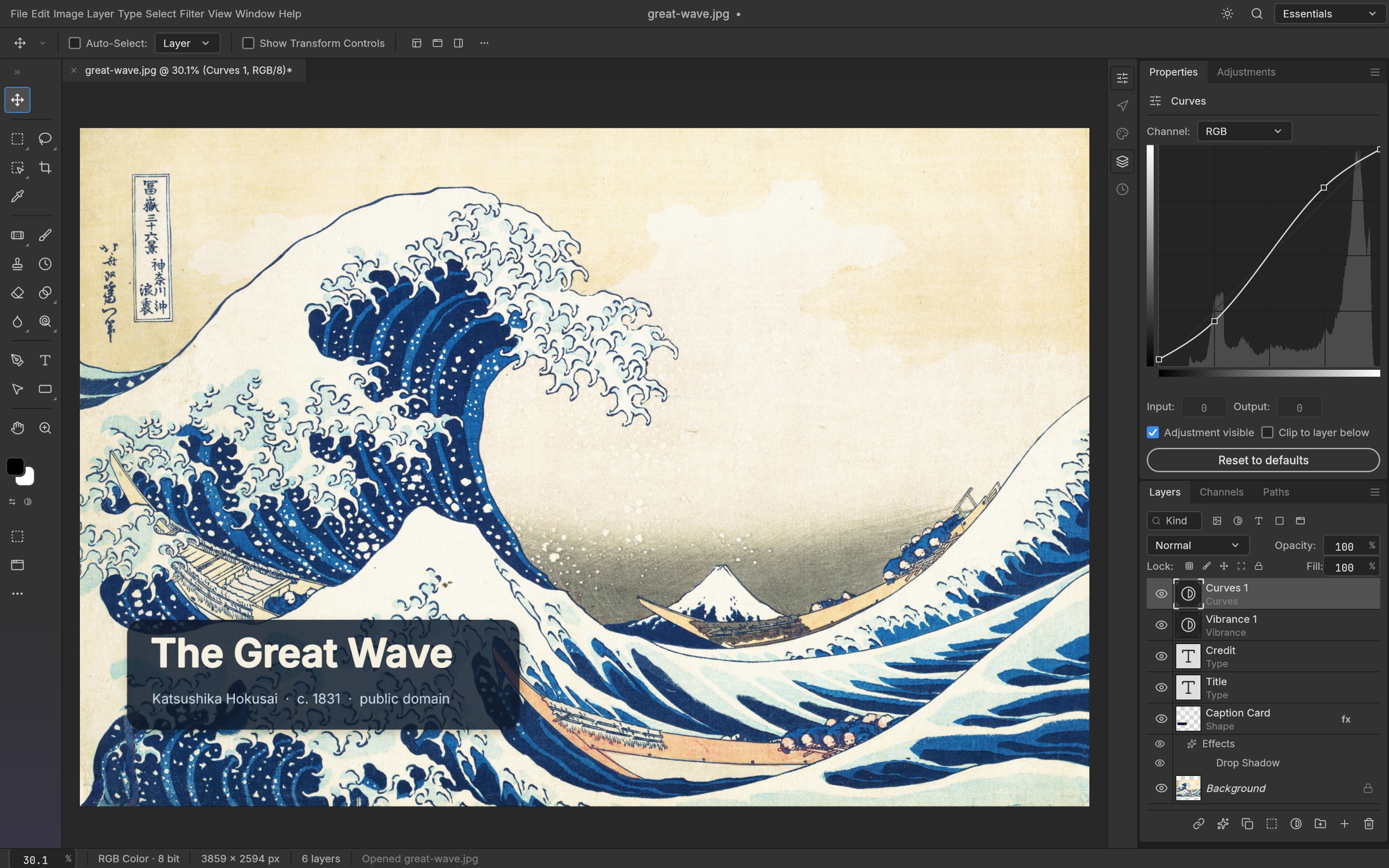
PhotoCraft is an open-source alternative to Photoshop. 66,238 stars. Opens PSDs built from the public spec, and the README says it round-trips 307 of 309 psd-tools test files. Early alpha. The README itself says it isn't ready for daily professional work.
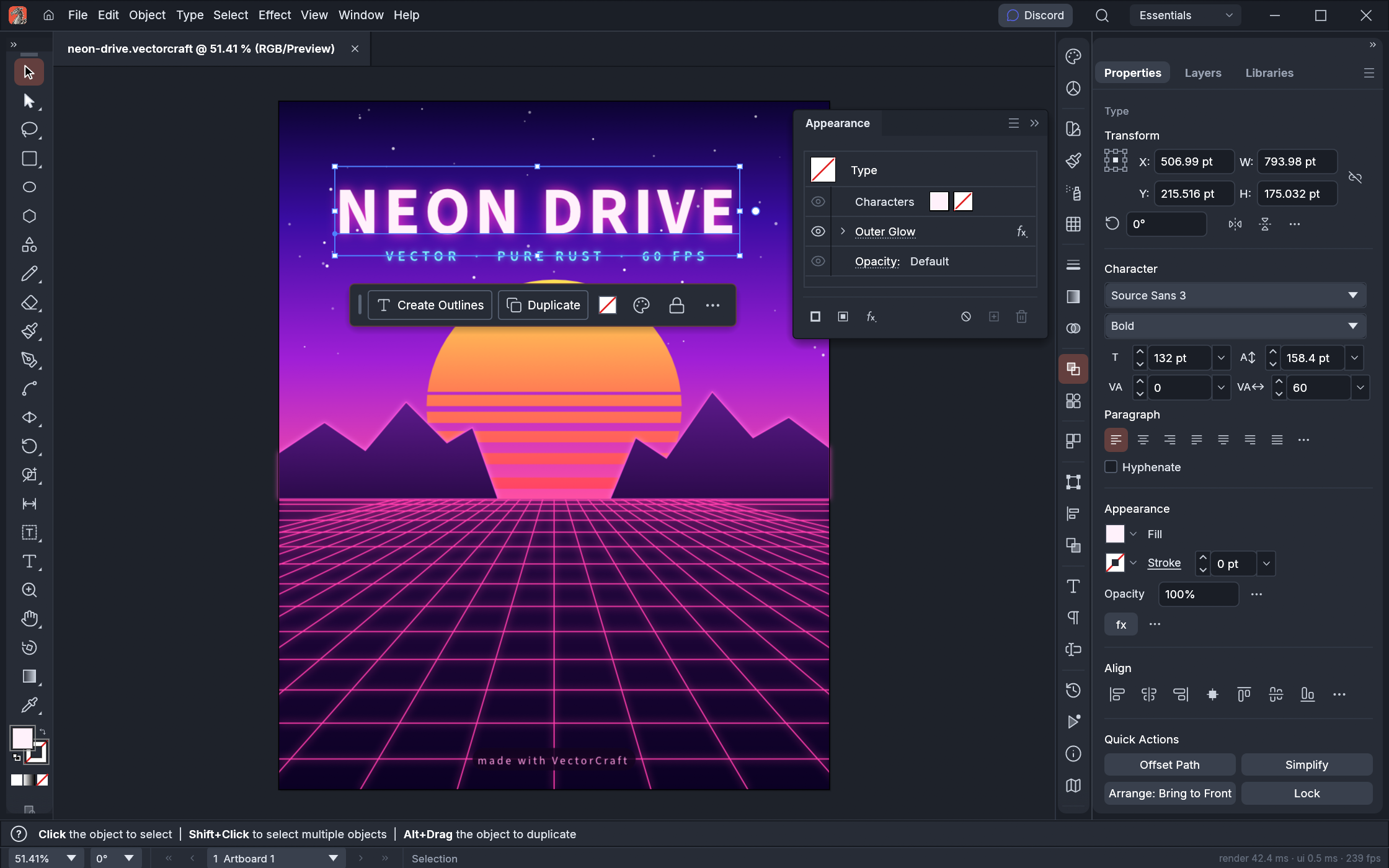
VectorCraft is an open-source alternative to Illustrator. 9,649 stars. Vector editing in the same Rust-and-WASM setup. In development.
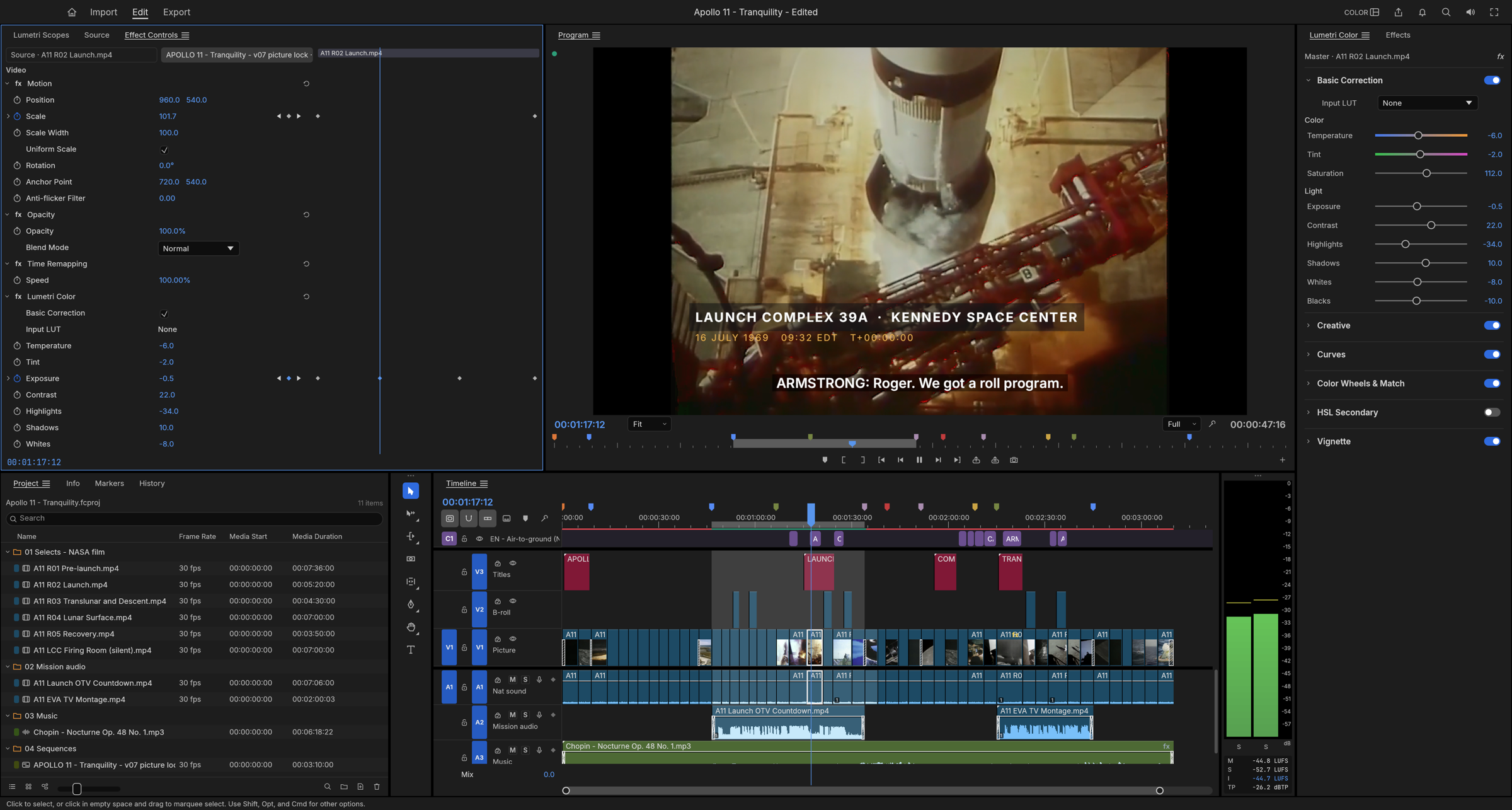
FilmCraft is an open-source alternative to Premiere Pro. 14,531 stars. Comes with its own H.264, HEVC, ProRes and AAC codecs written from public specs. Desktop only for now. In development.
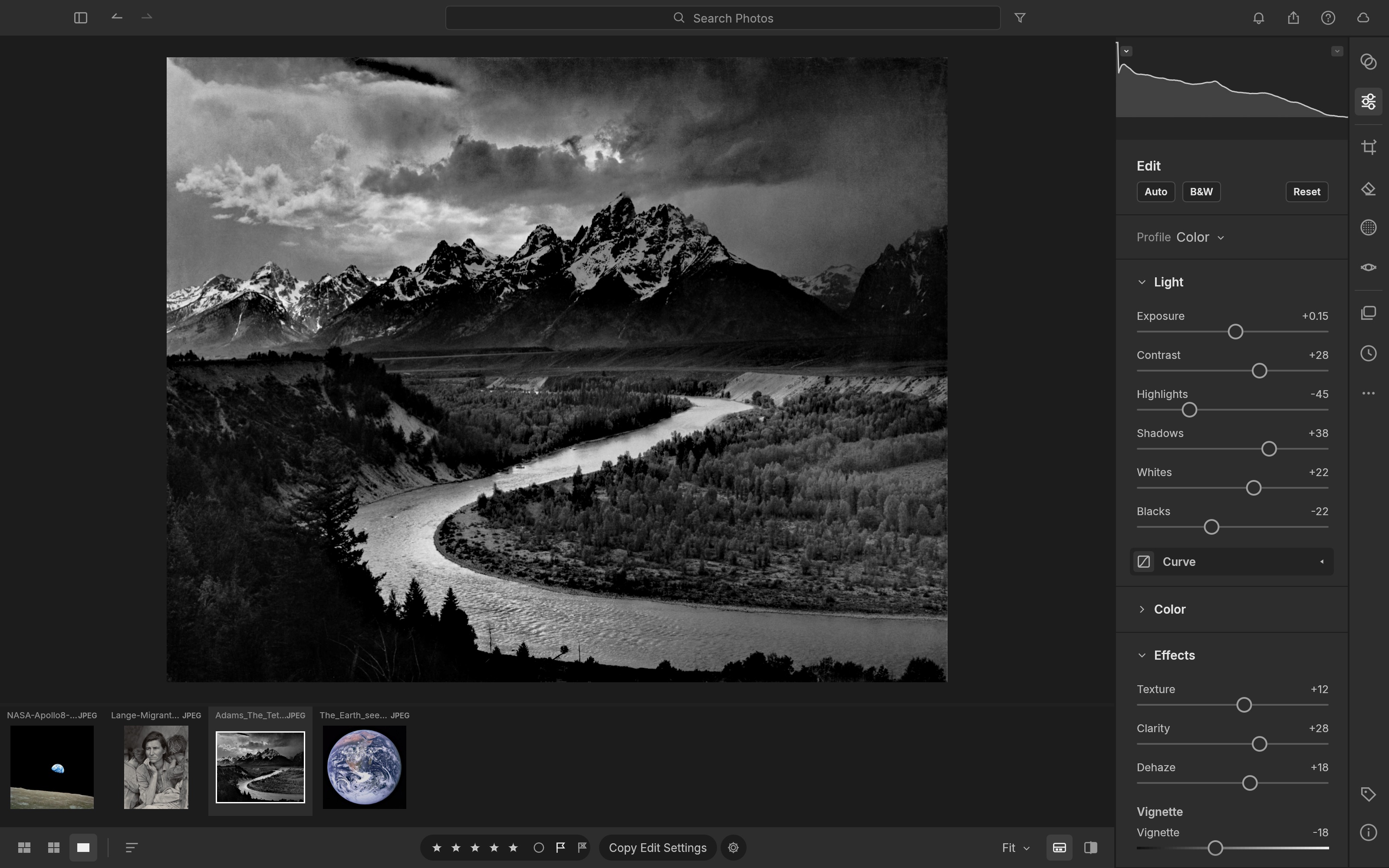
LightCraft is a Lightroom-style photo workflow. 13,449 stars. In development.
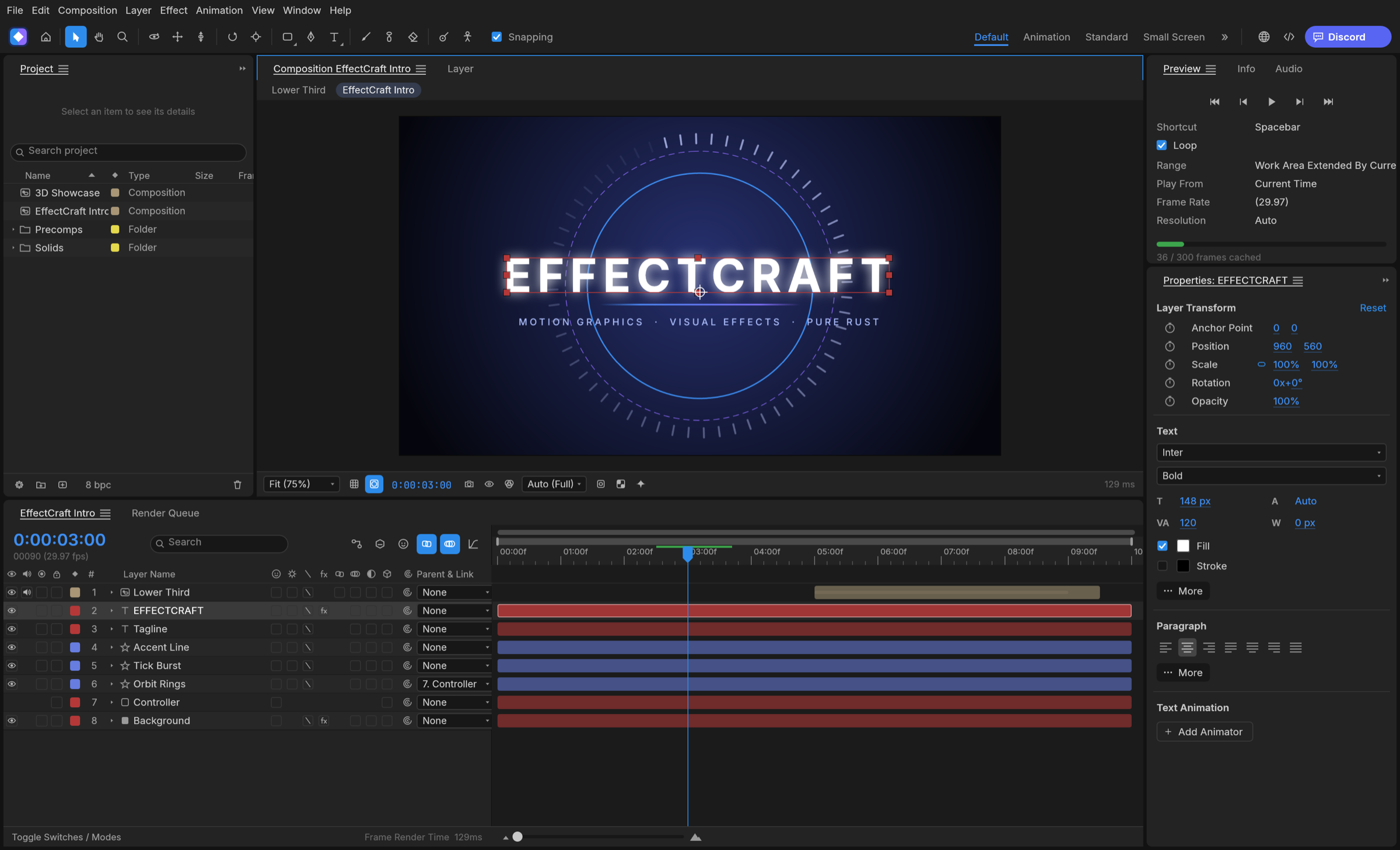
EffectCraft is an open-source alternative to After Effects. 7,152 stars. The README claims 306 effects and calls it "young… already usable".
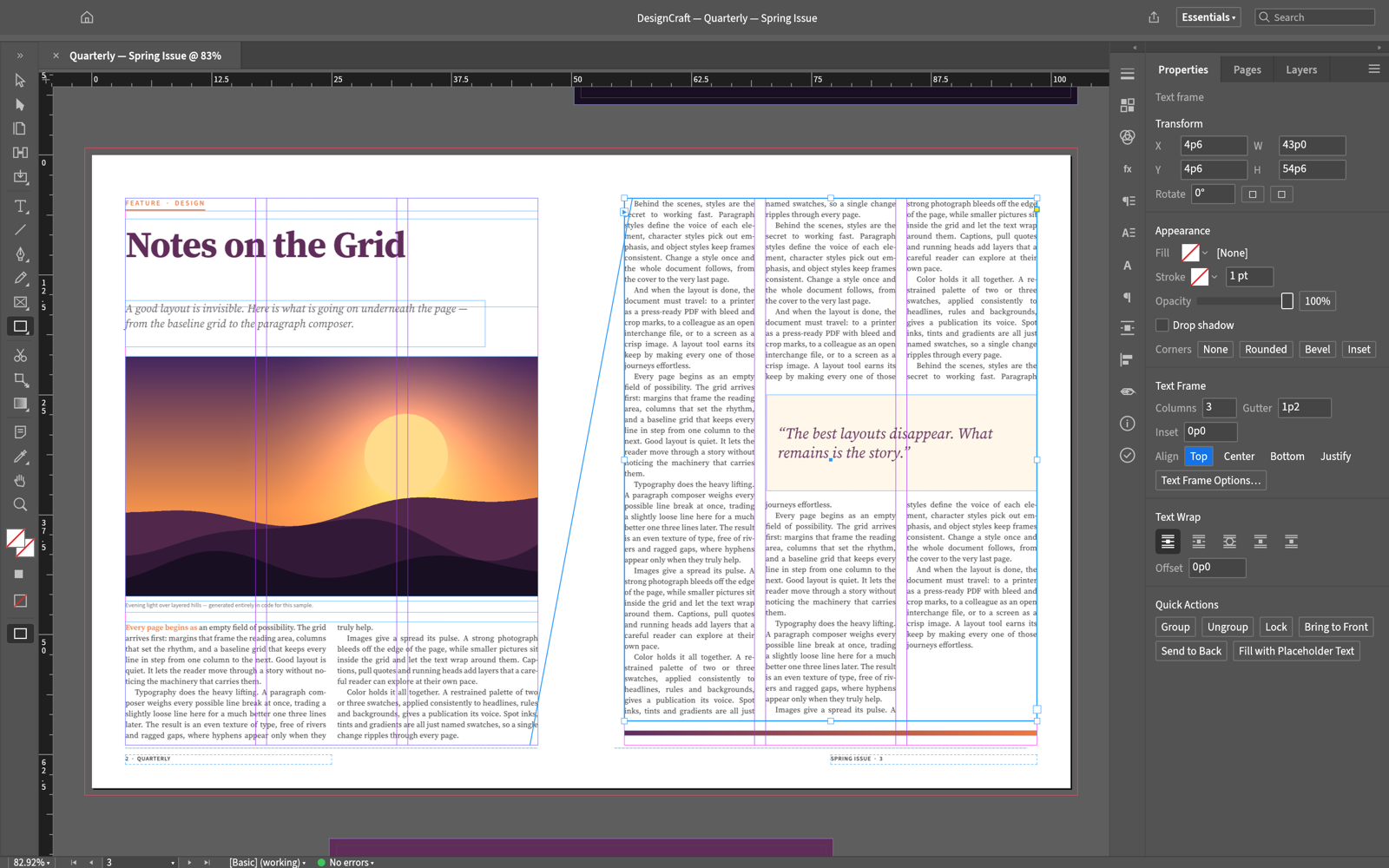
DesignCraft is an open-source alternative to InDesign. 4,312 stars. Page layout. In development.
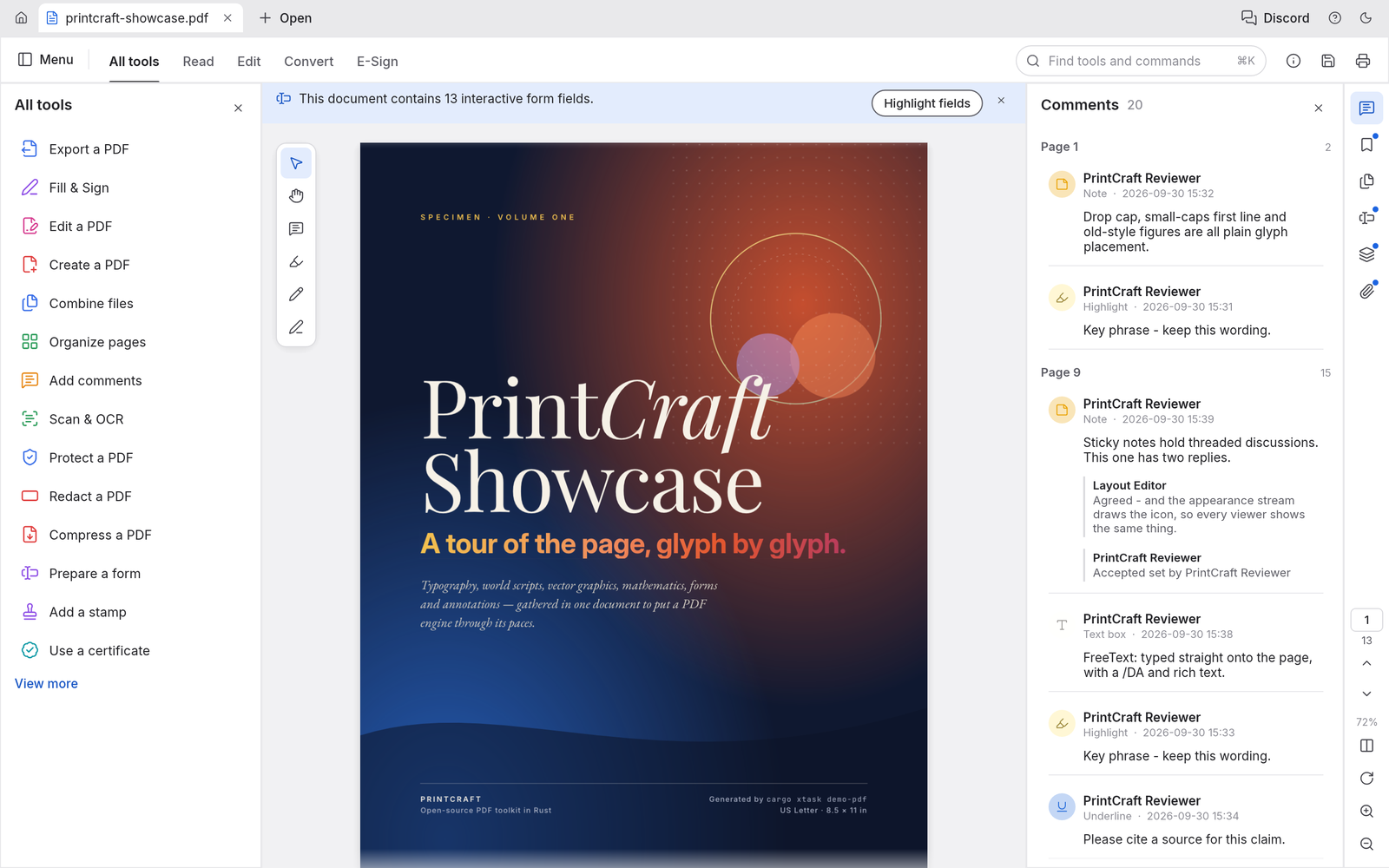
PdfCraft is an open-source alternative to Acrobat Pro. 15,439 stars. Its own estimate is about 49–55% of what Acrobat Pro does. Alpha.
Office suite: no status yet, treat as early
I haven't seen a maturity rating for these three yet.
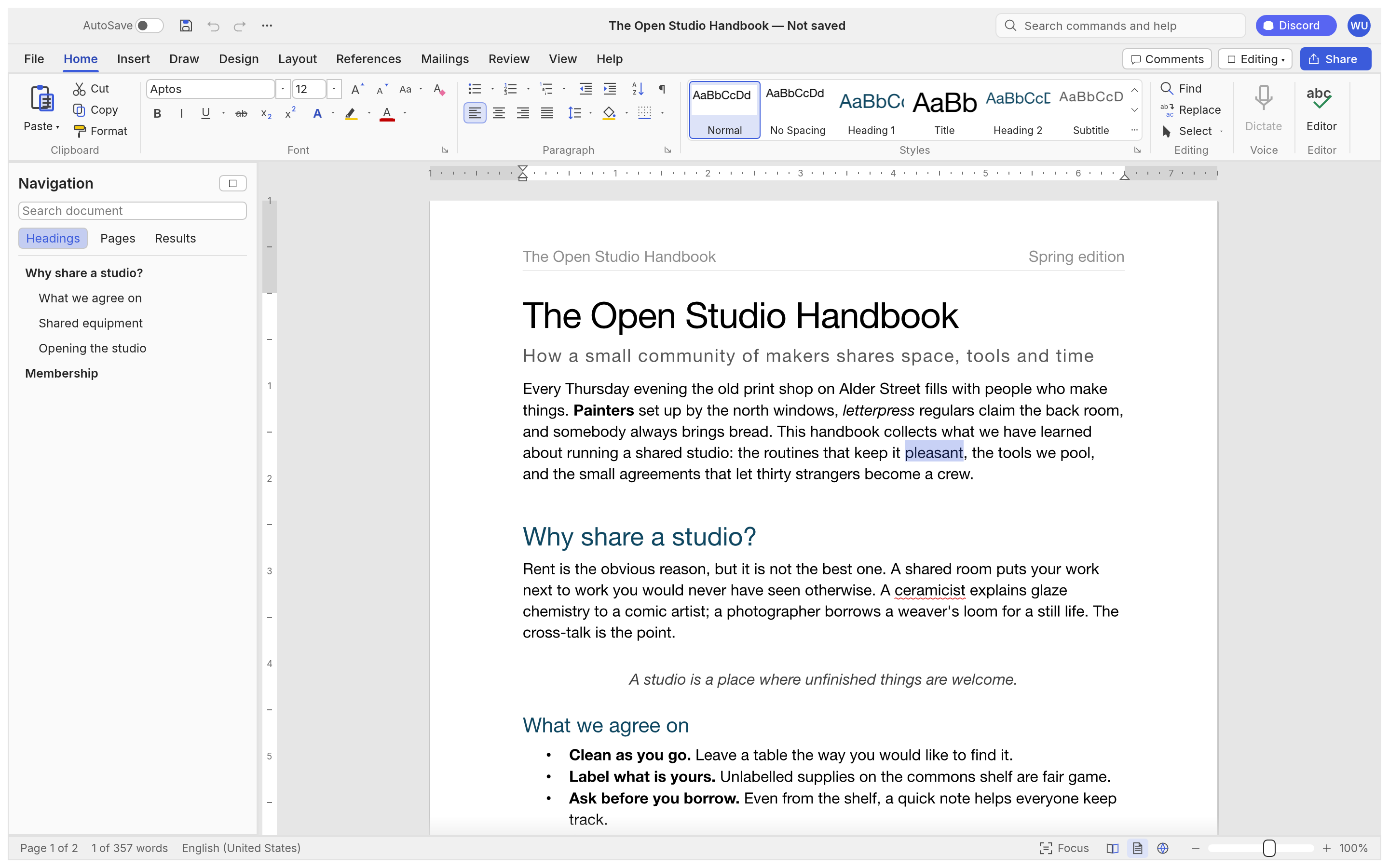
WordCraft is an open-source alternative to Word. 14,014 stars. The README says it supports Track Changes.
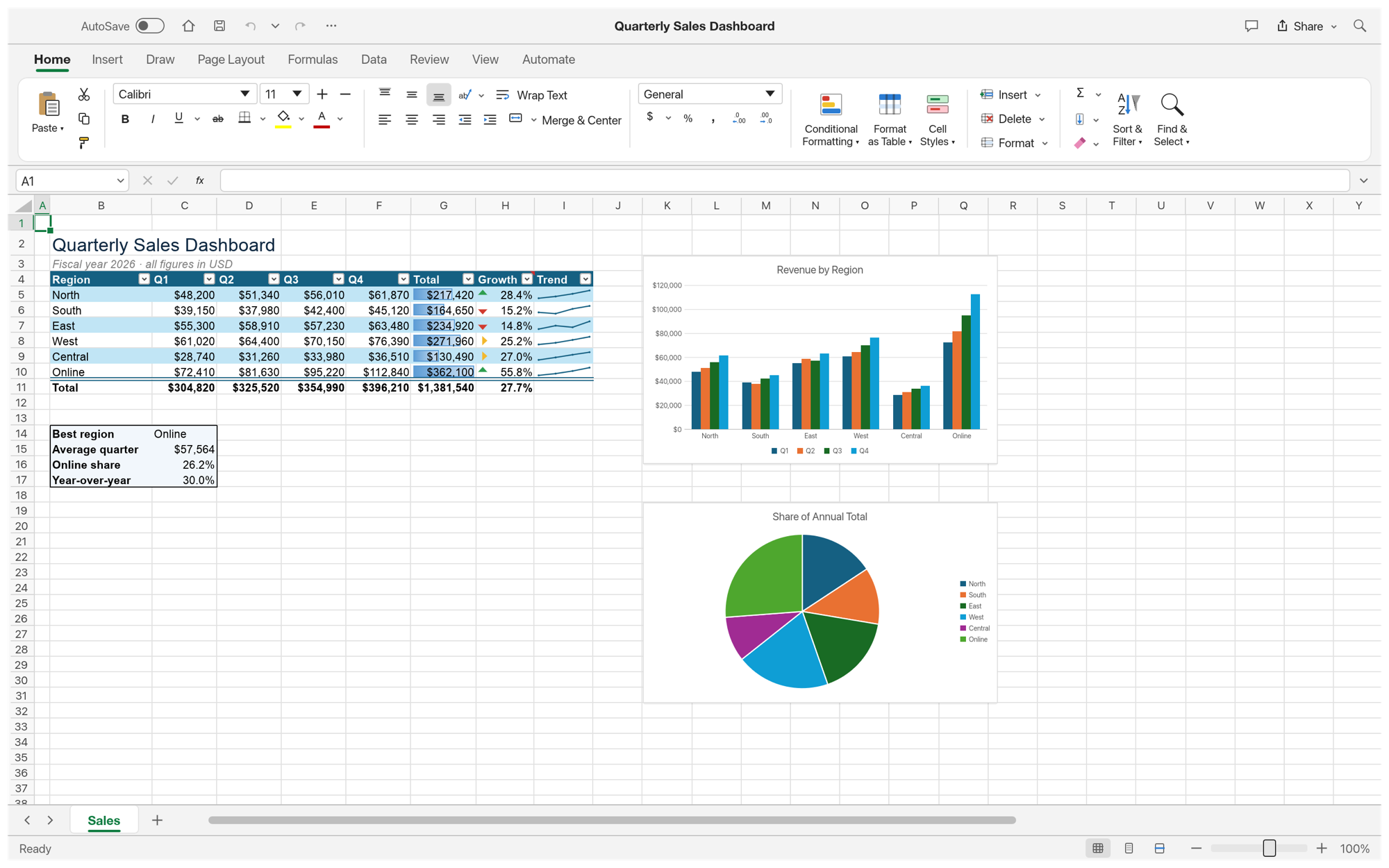
GridCraft is an open-source alternative to Excel. 5,580 stars.
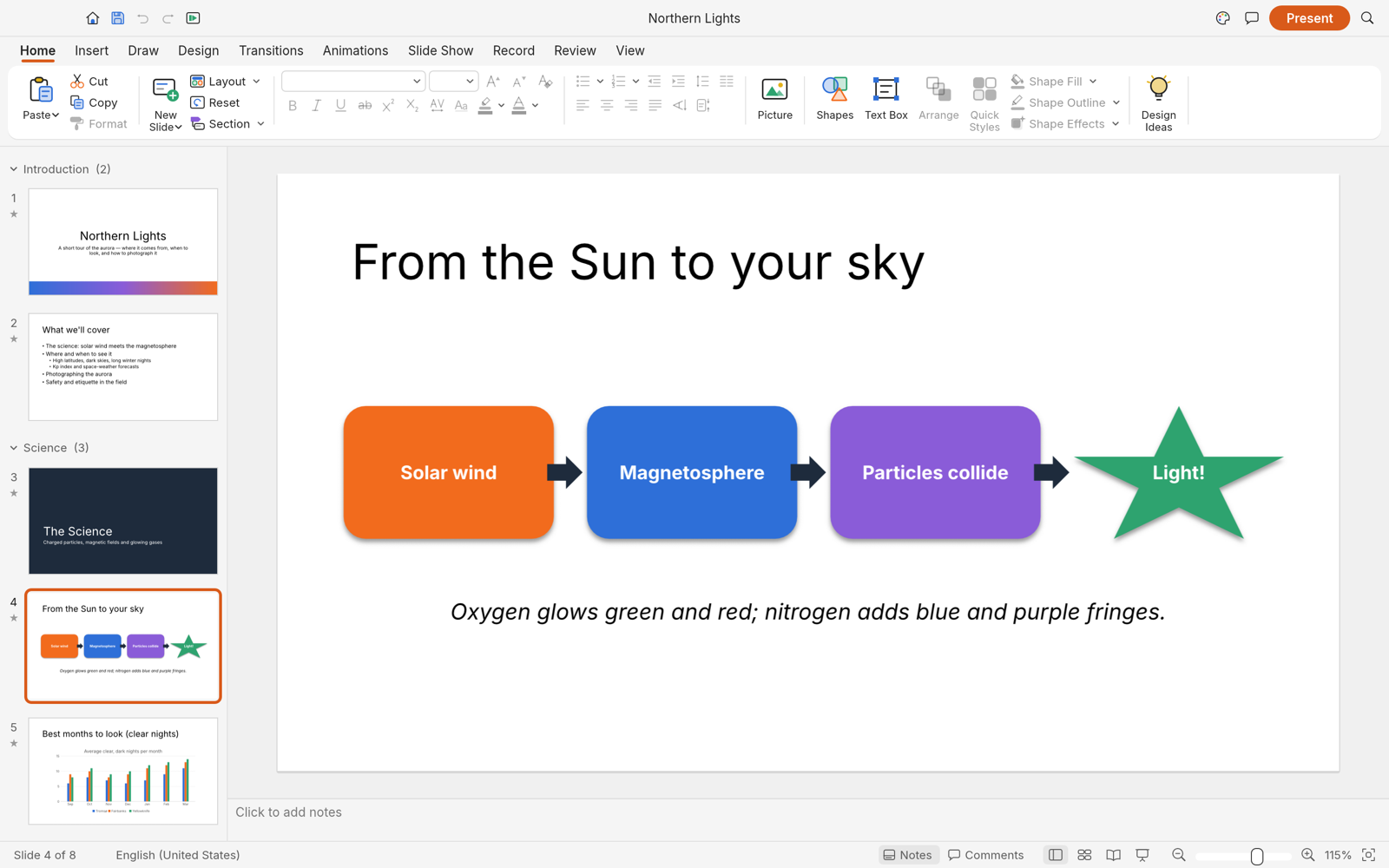
DeckCraft is an open-source alternative to PowerPoint. 3,687 stars.
CAD: SolidCraft is moving fastest
SolidCraft is an open-source alternative to Autodesk Fusion. About 4.2k stars. This one isn't ArtCraft. It's built by Brennen Herbruck and now lives under tangency-labs. It's pure Rust, runs on Windows, macOS, Linux and the web, and has a CLI and MCP. The README calls it "early but usable for simple parts", and surfaces, drawings, CAM and simulation are deferred for now. v0.14.0 (17 Oct) added FreeCAD, Rhino and glTF import plus AI chat, and v0.15.0 is out now. Hackaday covered it too.
SolidCraft v0.14.0 is out 🚀
— Brennen Herbruck (@bherbruckx) October 17, 2026
- Import FreeCAD, Rhino & glTF
- Gears, rack & pinion, IK, Motion Trace
- Sketch patterns, infinite lines, Split Body
- AI chat: queue, stop, model picker, Grok
- In-app update alerts
- Tons of fillet/boolean fixes
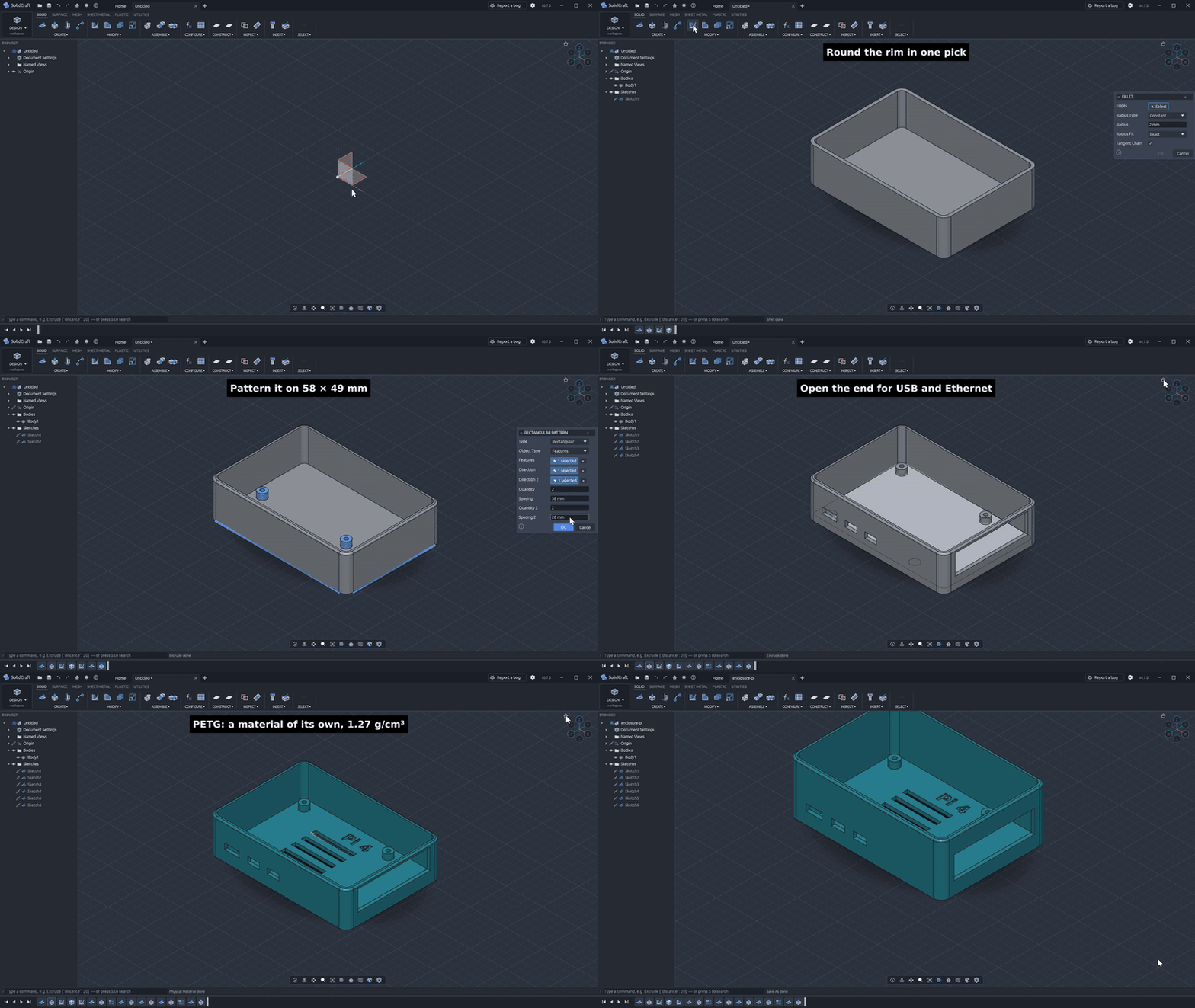
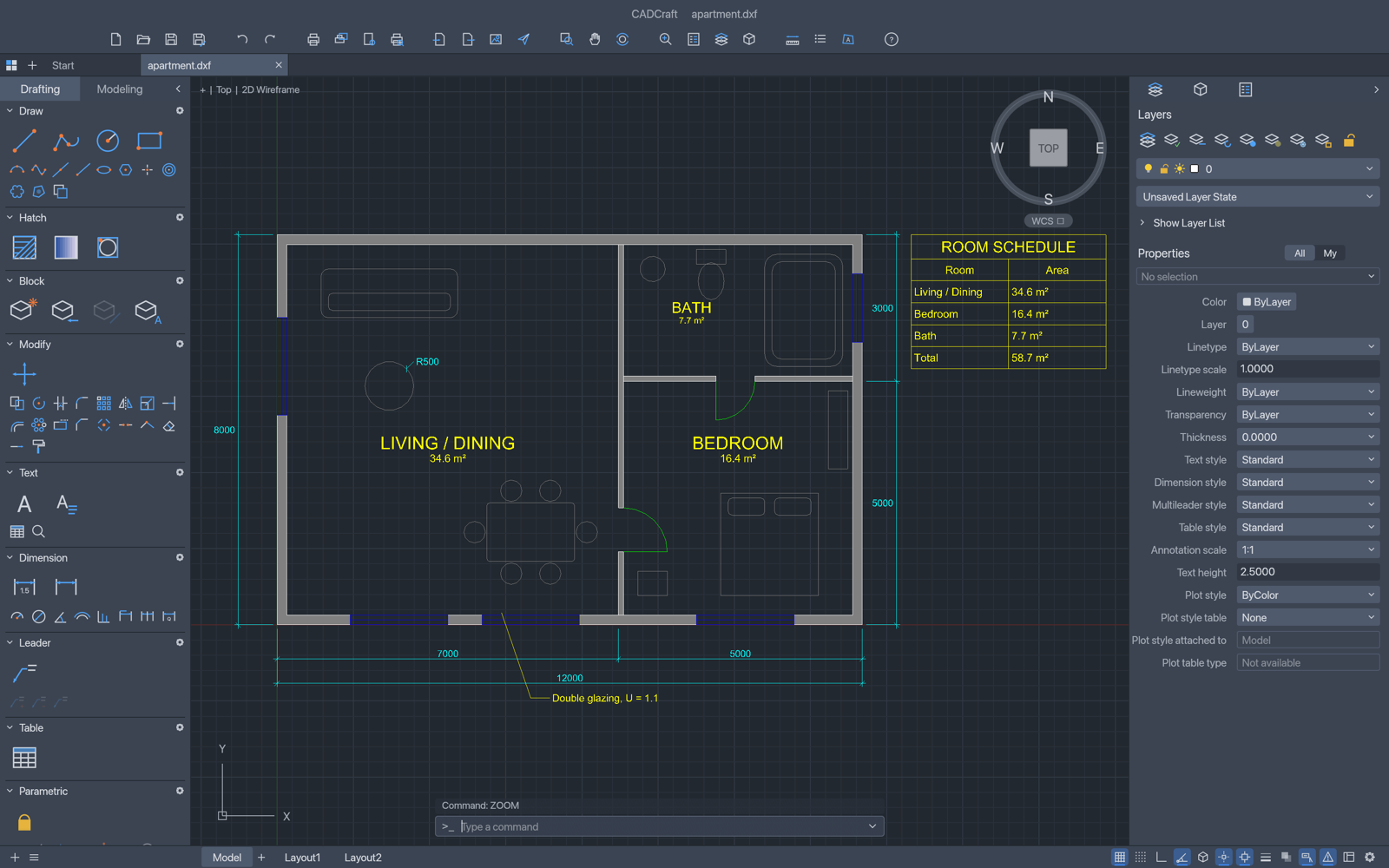
CADCraft is an open-source alternative to AutoCAD. 5,566 stars. Added 7 Oct. No status yet, and one early tester (@DeadbeatJeffSDF) said "maybe pass on CADCraft for now".
Audio
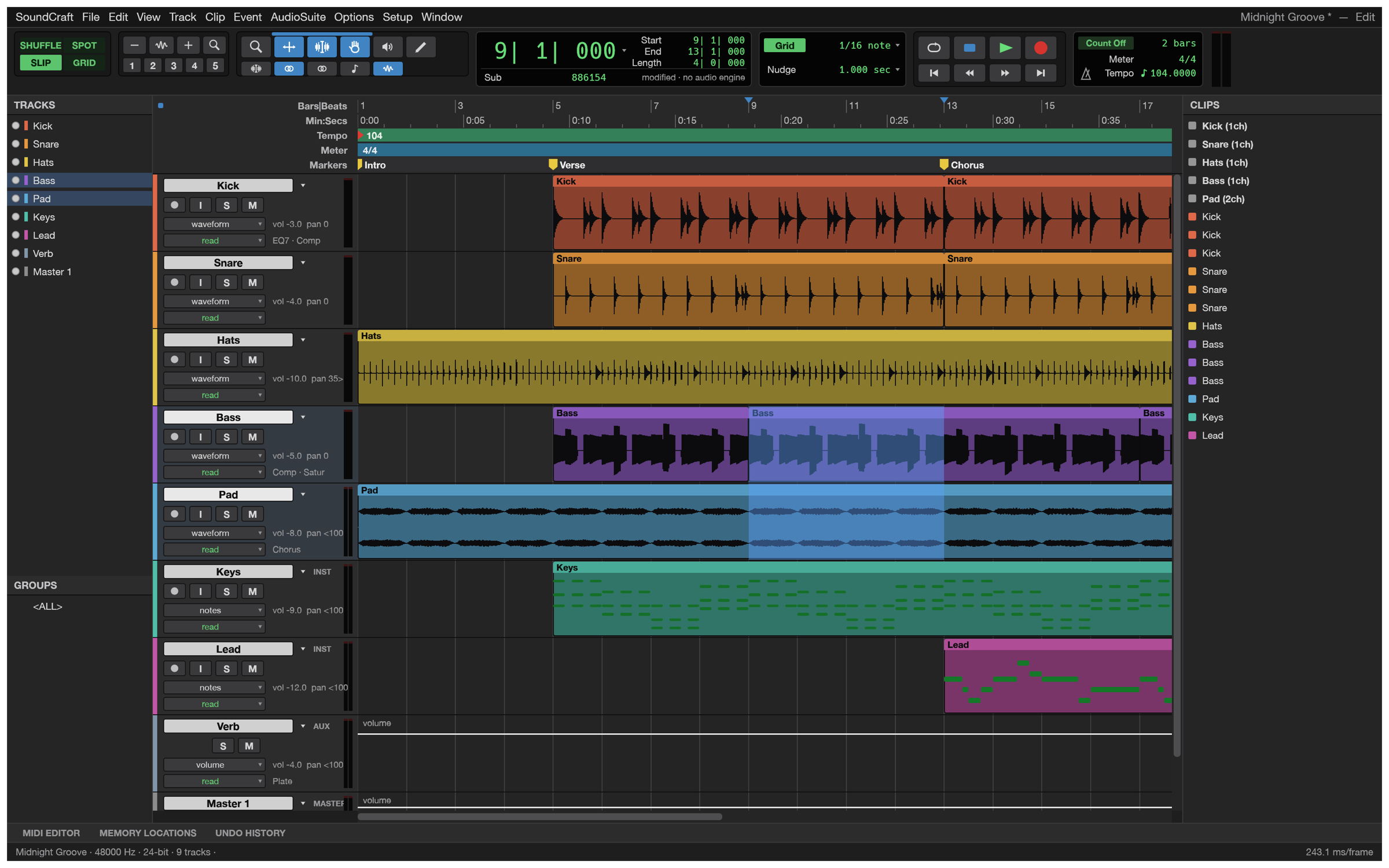
SoundCraft is an open-source alternative to Avid Pro Tools. 3,167 stars. One of the newer additions, so treat it as early.
Design
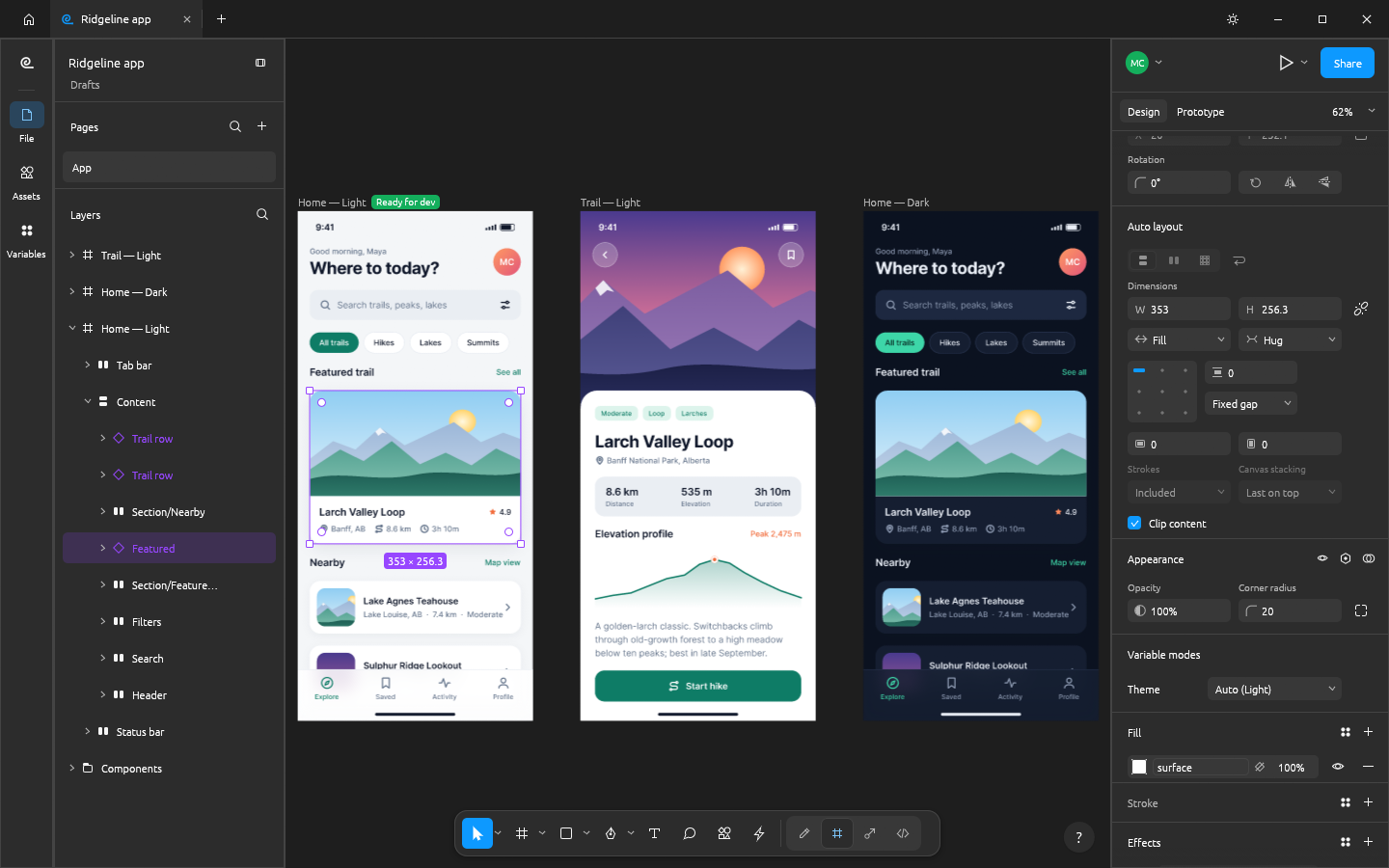
FigCraft is an open-source alternative to Figma. 2,420 stars. Early alpha, according to ArtCraft's own apps page.
PDF tools: two different projects with the same name
PdfCraft (ArtCraft, above) is the Acrobat-style desktop app.
pdfcraft by PDFCraftTool is a different project. 9,446 stars. It's a web toolkit (Next.js plus PDF.js, pdf-lib and PyMuPDF in WASM) for everyday PDF jobs, and it's a usable tool. It predates the trend (created January 2026) and wraps existing libraries rather than rebuilding Acrobat.
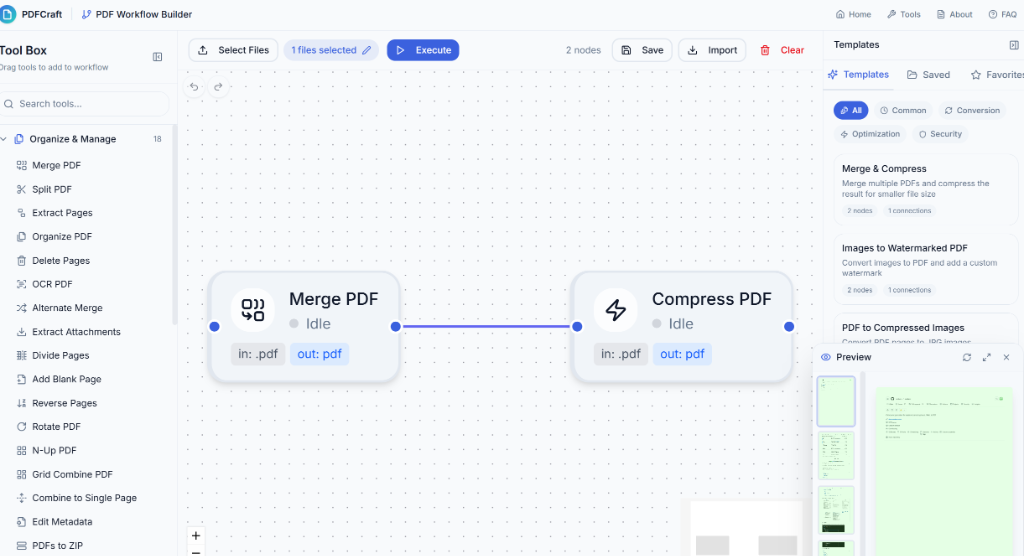
Several unrelated tools share the name, so check the link before you install anything.
If you want all the ArtCraft apps in one place, there's also a Craft Launcher. Everything's listed at getartcraft.com/apps.
Screenshots: each project's GitHub README.
Fun REA demos
These are the ones that show what proper binary analysis can do. None of them are products you can install.
- Mac Notes and Calculator, decompiled and rebuilt "for $0.63 in 19m10s".
- Someone used REA to get Minecraft running inside GTA 5.
- A calendar app clone.
Reality check: most of it is alpha
I'm keen on this, but a few things need saying.
Most of it is rough. By their own account, nearly everything above is alpha or in development. Brandon originally said on Reddit they'd reach 100% parity within a month, then on Hacker News that it would be "measured in months and not years". Not every reviewer is kind either. @ybouane, who's building his own Photoshop alternative, called PhotoCraft "the sloppiest thing I've tried". @gelon1983 said SolidCraft is "more on the Tinkercad side than on the Fusion side", and that PDFCraft already does the job for him. Test it on your own files before you cancel anything.
ArtCraft isn't really reverse engineering. The ArtCraft apps are clean-room rebuilds based on public specs, docs and observed behaviour. Plenty of replies on viral posts pointed this out, for example under this one. REA is the one doing true binary analysis. The two got blended together because they went viral in the same weeks, and that confusion is behind a lot of the hot takes.
The legal and IP questions are real. Building file-format support from published specs is generally seen as lower-risk. But Adobe's terms of use (since Oct 2025) forbid using its apps to recreate them, and copying layouts and shortcuts may carry trade-dress risk, as Ars Technica noted. I'm not a lawyer, so don't take this as legal advice. Pointing REA at someone's paid product to unlock its premium features is a different thing again. Some of the viral posts brag about exactly that. Don't do it. Use these tools on your own software, for interoperability, for security research, or to learn. Don't use them to pirate.
Watch for scams. I've seen a "Reverse Engineer Everything" $REE crypto airdrop going round, and a $REA token is being shilled, including bait replies aimed at @morluto. Neither has anything to do with the project. The REA repo also warns about fake copies, and copycat repos are already collecting stars. Install from github.com/morluto/rea and nowhere else.
My take as a developer
Is software done? No. But what software costs to build has changed, and that changes a lot.
For 17 years the moat around big paid apps was simple: it took hundreds of engineers years to build them. That moat is shrinking fast. A determined person with good AI tools can now get a credible first version of a "big" app in weeks. Getting the last 20% polished, compatible and reliable is still the hard, expensive part, and that's where paid software will have to earn its price. That means support, ecosystems, file compatibility, and not losing your client's work at 2am.
So I don't think Adobe is going anywhere next month. But I do think subscription pricing just got a lot harder to justify for people who only use 10% of an app. And for builders, the bar for "can we make our own version of this?" has dropped through the floor. That goes for a lot of internal tools, niche SaaS and fiddly workflows that small businesses currently pay per seat for.
That's the kind of work I do at Sudolabs: web apps, MVPs, automations and AI integrations, often replacing a pile of subscriptions with something that fits how a team actually works. If that's on your mind, flick me a message.

